Have an enquiry or looking to place an order? Call us on 02380 862 309

Two Paths to a Slate Roof: Understanding the Differences Between Slate and Synthetic

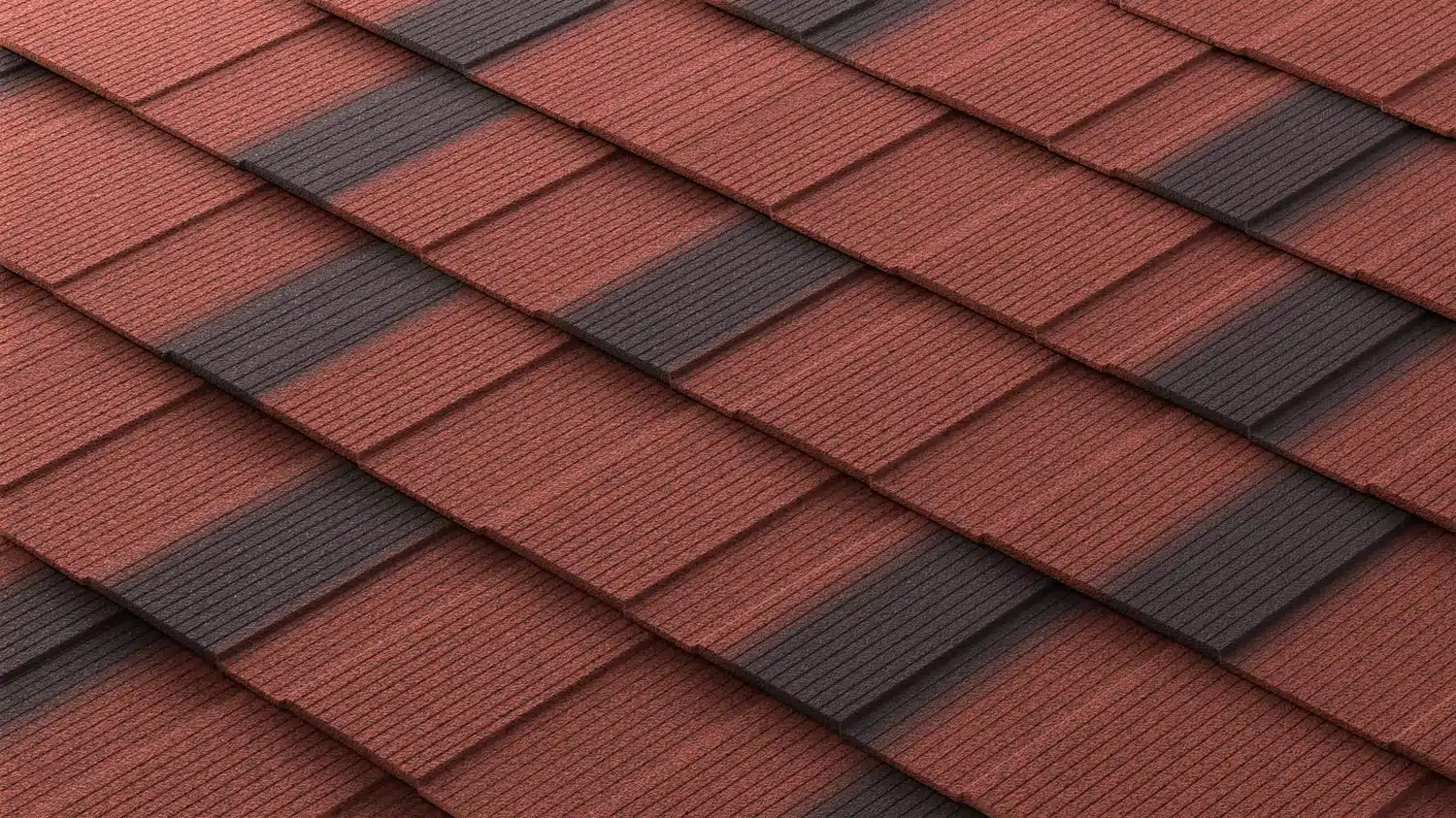
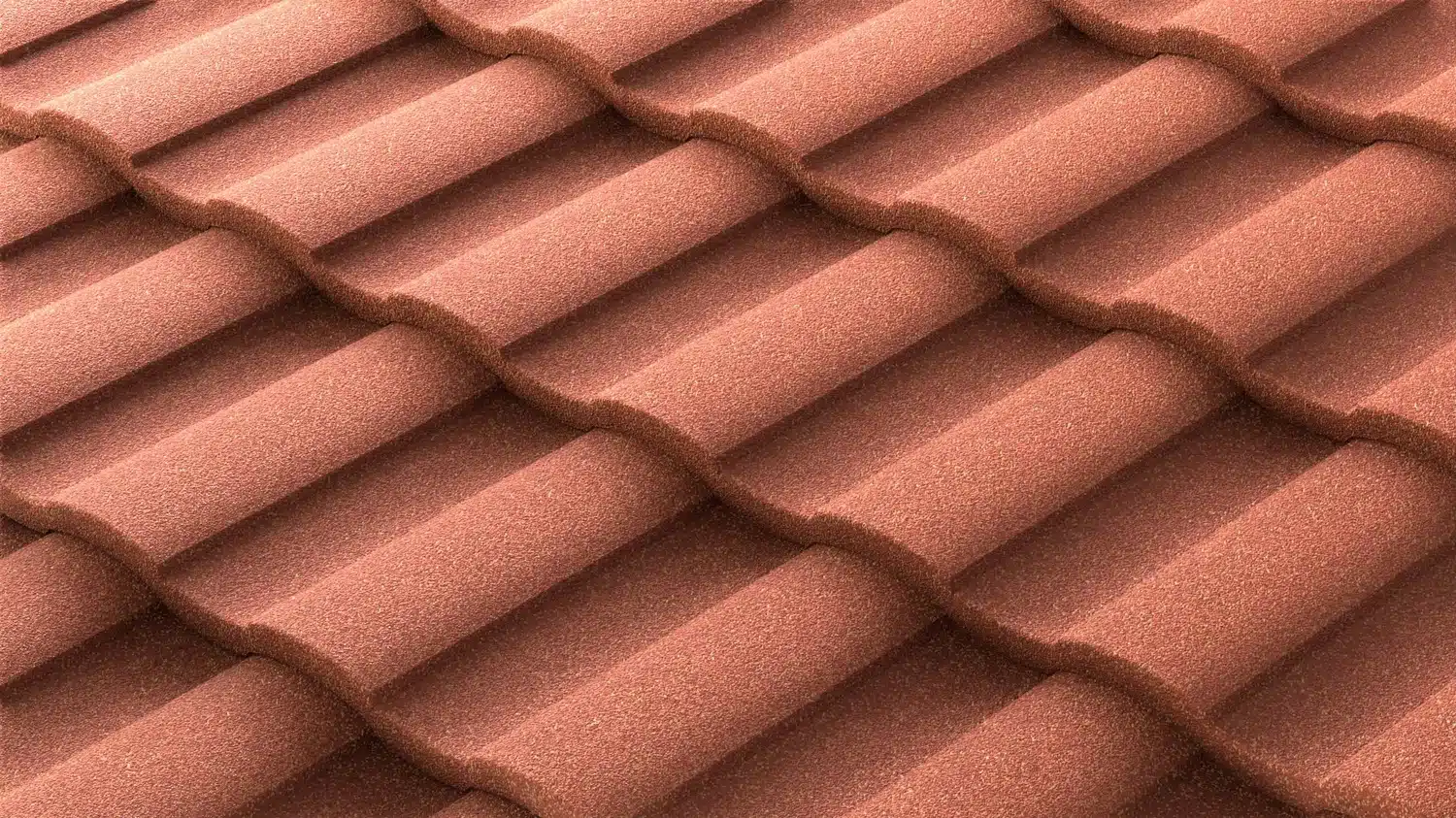
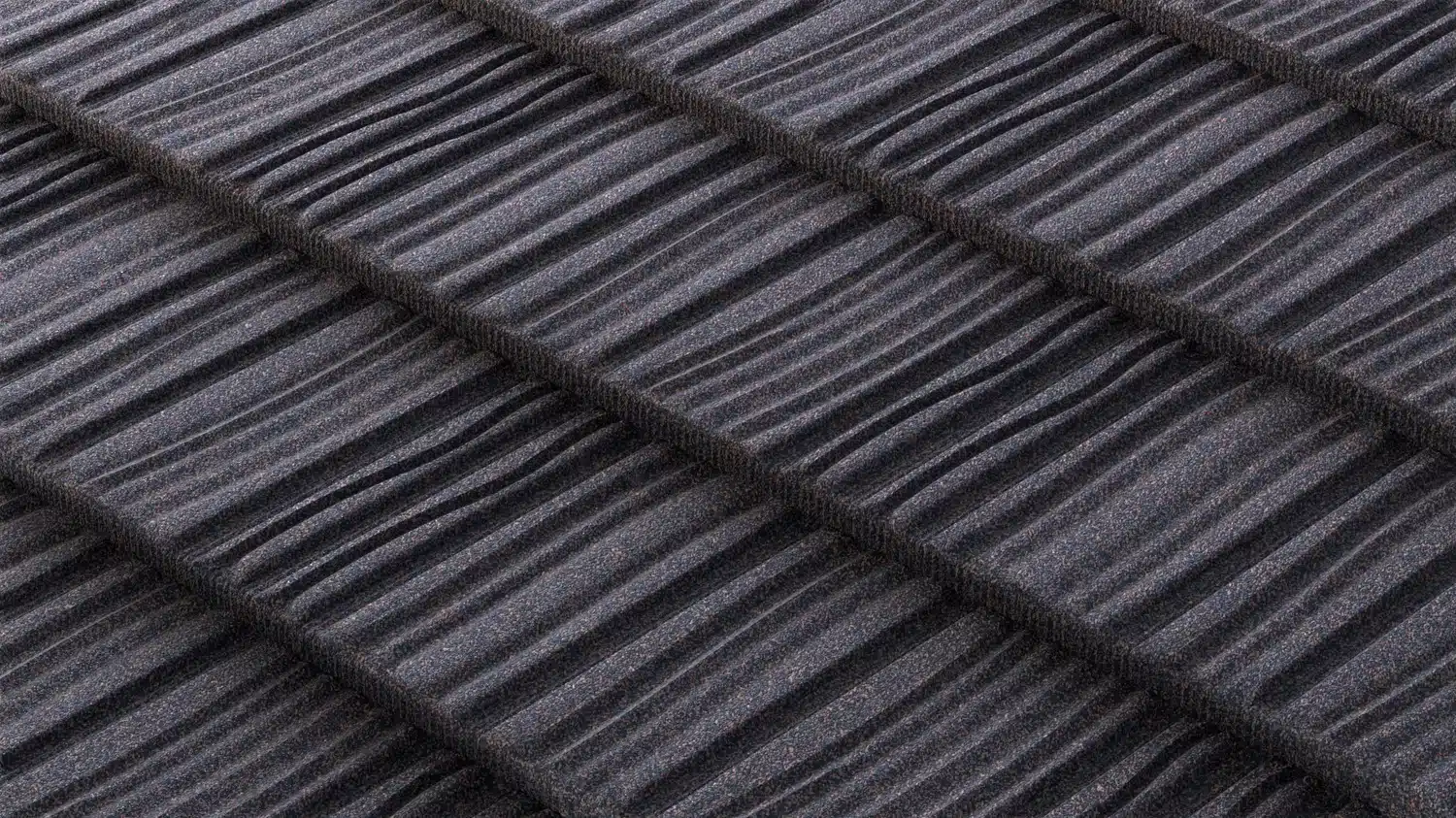
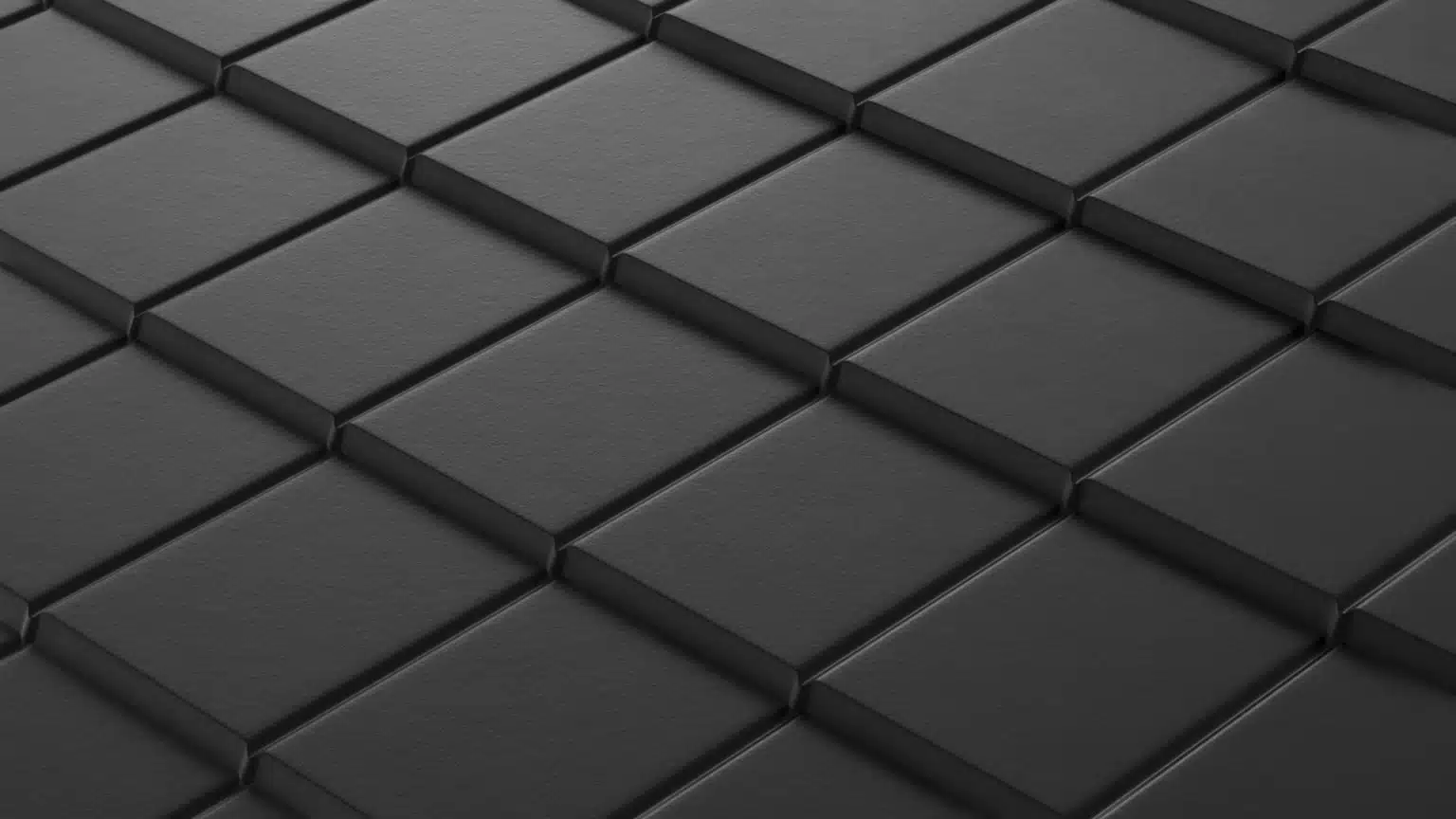
Whether you’re a builder, contractor, designer, or homeowner, and natural slate is part of your project plans, you’ll likely be weighing it up against the practical benefits of modern roofing options.

Perhaps you’re working on a period property in rural England or a modern extension in London – whatever the build, the roof plays a key role in the overall finish. Slate is our heritage, but modern machine-made options are increasingly being chosen for their practicality. Here’s what you need to know before you spec your next project.

The weighty issue: structural support

Many older UK homes were built with heavier roofing materials in mind, while modern extensions often use lighter timber-frame construction. Natural slate typically weighs around 30–50 kg per m², so it’s important to check whether your structure is suitable before specifying. If you’re moving from lighter roofing systems, a structural survey is often recommended to ensure the rafters can safely support the load. Understanding weight is a key part of choosing the right material for your project

Installation: craftsmanship vs. convenience

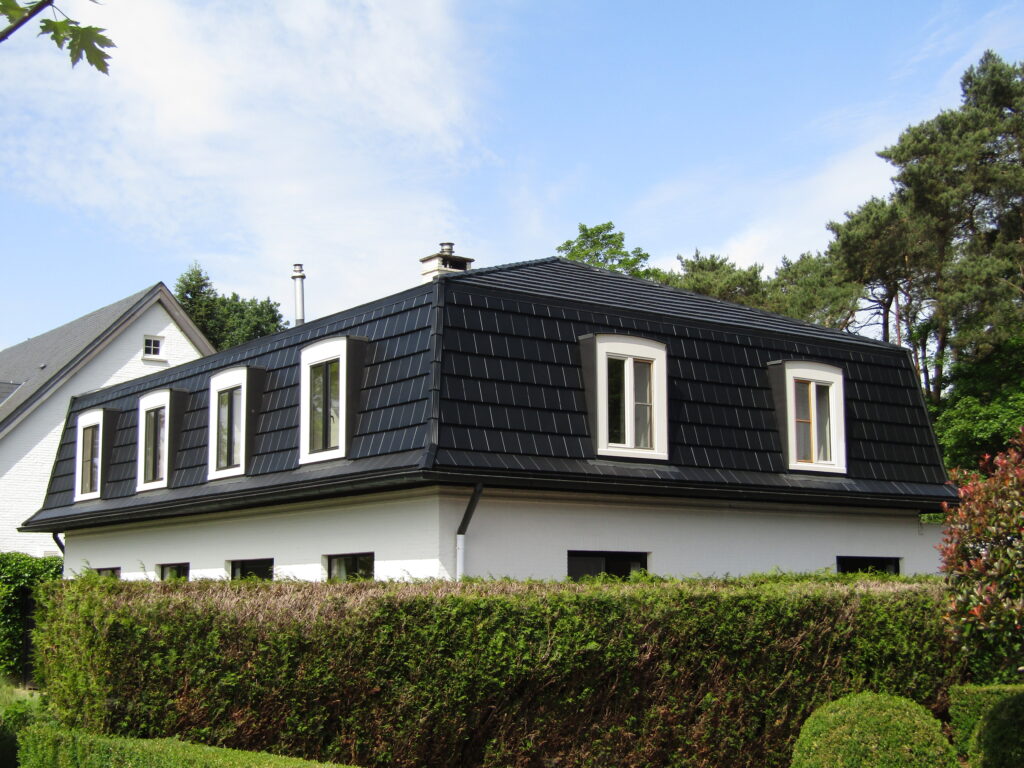
Natural slate is sourced through skilled craftmanship, and our beautiful Gaelic Pizarras slate products are a timeless classic quarried directly in Spain. Used not only for new build, residential and commercial projects, these highly sought after slates are regularly specified throughout the UK for projects with high specification needs. This includes builds in conservation areas, national parks, heritage sites, and Areas of Outstanding Natural Beauty, where Gaelic Pizarras slate is often used as a suitable alternative to indigenous slate thanks to its similar composition and comparable performance – high praise indeed!

Gaelic-Pizarras’ chemical-free production make natural slate an attractive option in terms of environmental impact and sustainability when compared to man-made alternatives.

The British weather & moss

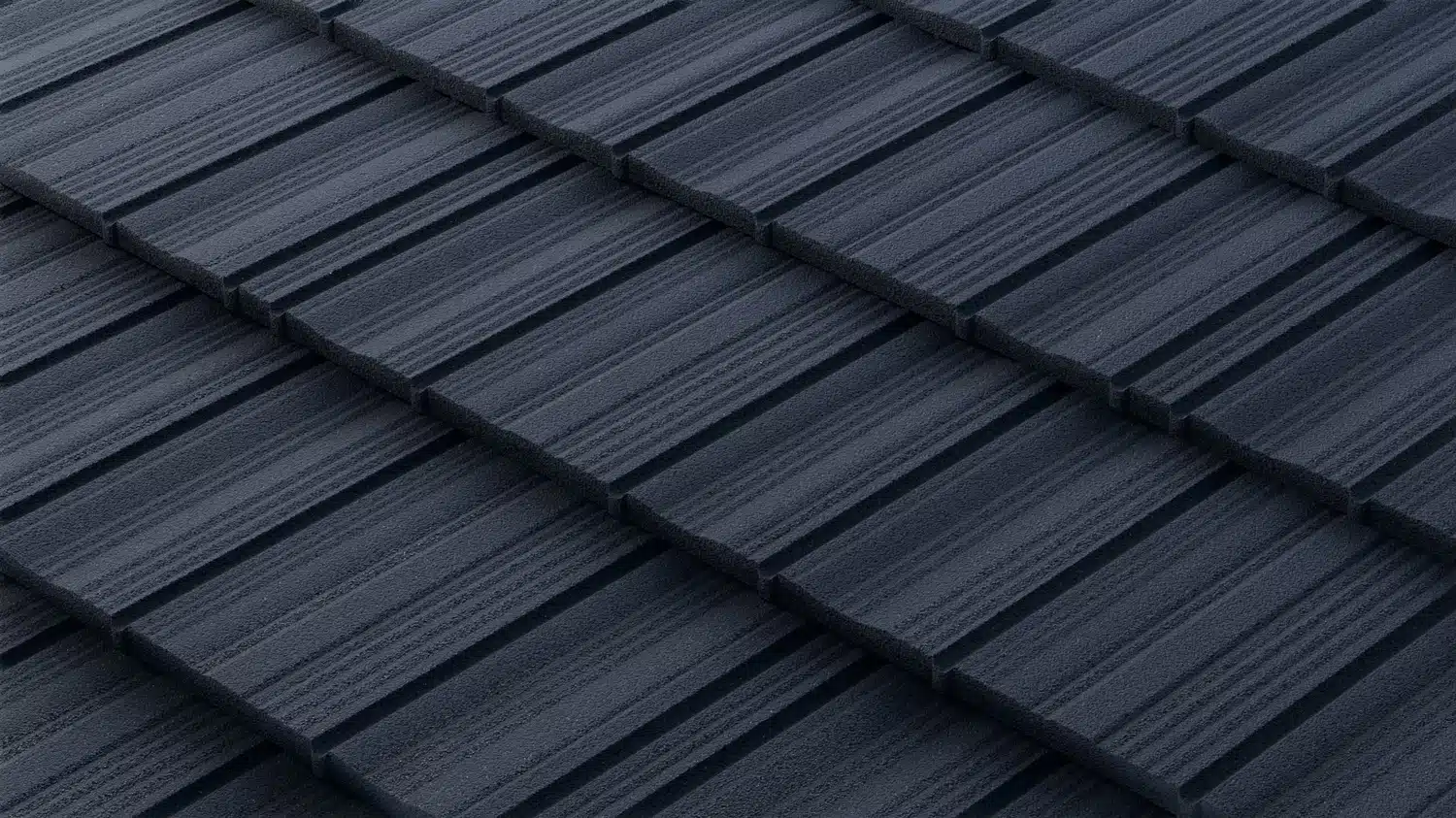
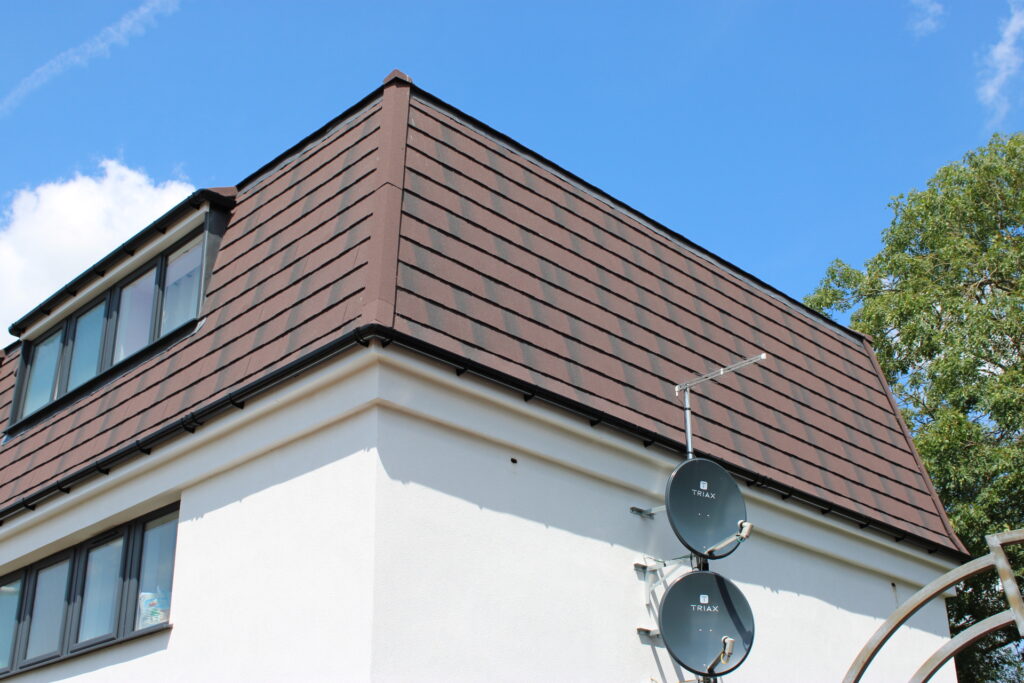
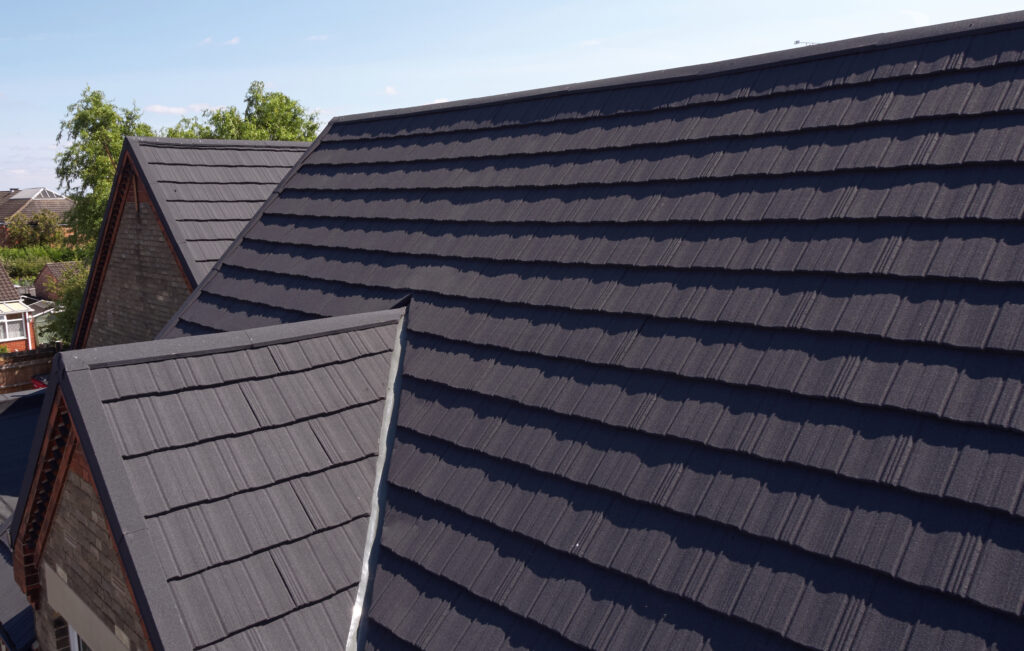
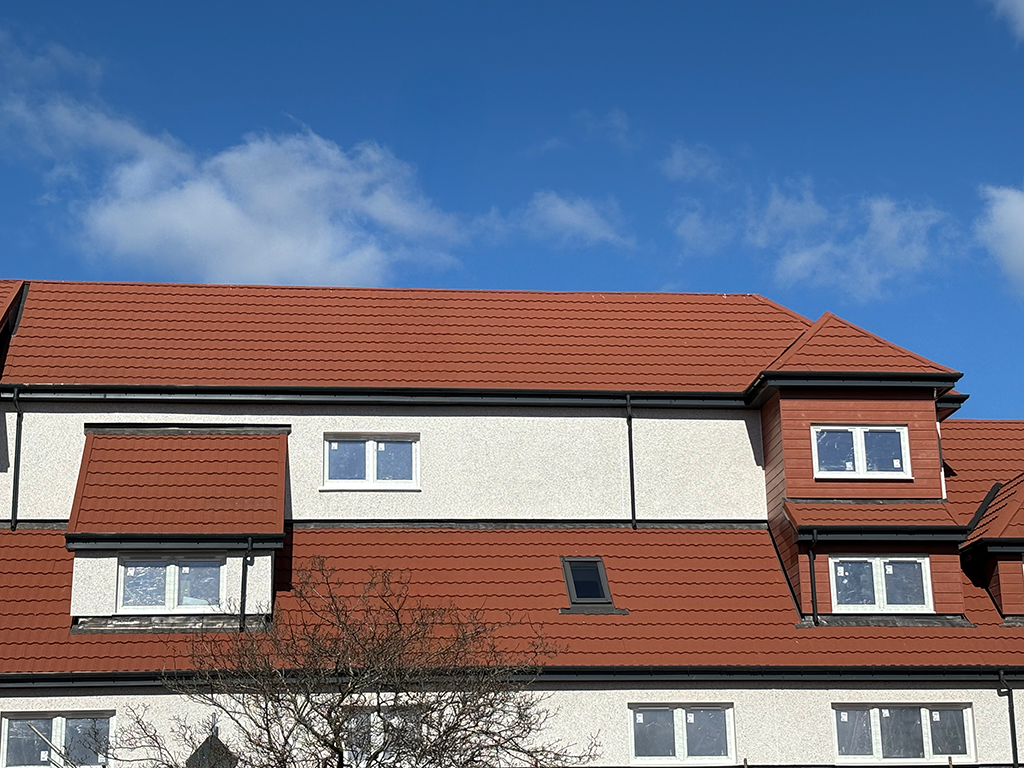
Our damp climate is tough on roofing materials. Synthetic options are non-porous, which helps reduce water absorption and can limit moss growth, making them a low-maintenance choice in some applications.

However, high-quality natural slate has its own long-standing advantages in UK conditions. Its dense, layered structure allows it to perform exceptionally well through repeated freeze–thaw cycles, while also offering proven durability over decades of exposure.

Natural slate is very dense, but quality matters enormously. So, with synthetic alternatives why do we stick with natural slate? Three reasons: planning rules, longevity, and character.

In a Conservation Area or on a Listed Building, the council will not give you a choice; it is natural slate or nothing. Beyond that, a well-slated roof using quality slates can last 100 years; synthetic options typically carry a 30–40-year warranty. And up close, natural slate has textures and dressed edges that give a house genuine character; something which even the best composite cannot fully replicate.

In summary…

Natural – Choose natural for traditional homes, maximum property value, or when you want a roof that outlives you.

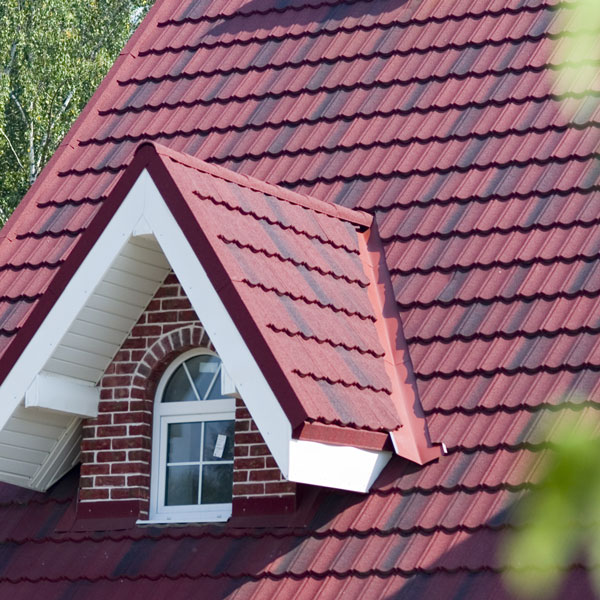
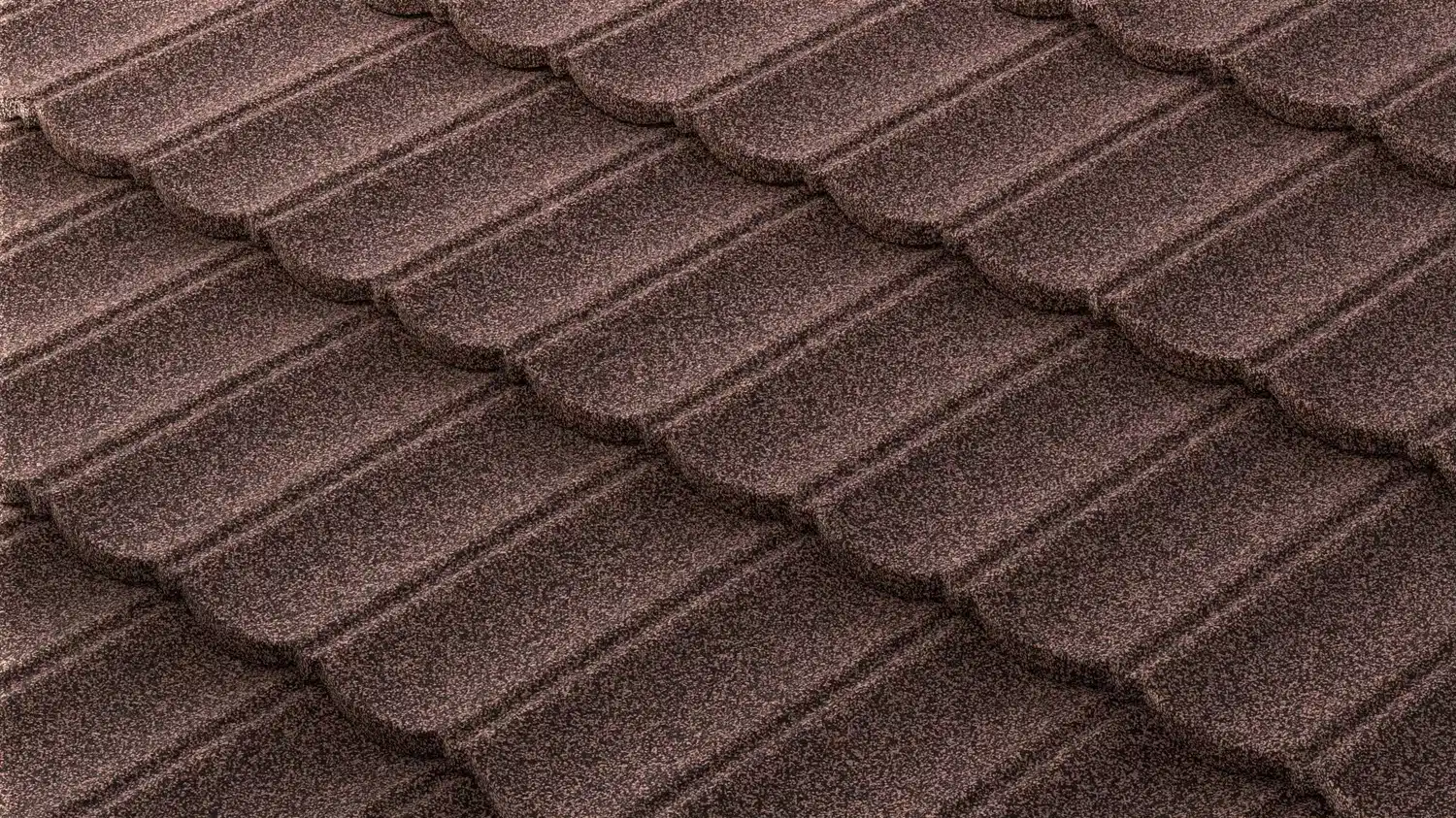
Synthetic – Choose synthetic on a tighter budget, for DIY projects, or on structures that cannot carry the weight of real stone.

Clay & Slate is a specialist UK importer and distributor of premium natural roofing materials. We are known for expert advice, dependable stock availability, and tailored support.

We supply high‑quality clay roof tiles, Spanish and Brazilian slate, glazed tiles, and roofing accessories across the country. With over 40 years’ industry experience, we combine a personal, reliable service with strong relationships with renowned suppliers to support projects from traditional restorations to large‑scale developments.

We would love to discuss your upcoming tile needs – get in touch with our experienced team.

Can't decide on your perfect tile?

Seeing & feeling the texture, quality and colour of your tiles is an important step in your tile selection process.